Food for Mental Strength: Simple 7-Day Nutrition Toolkit
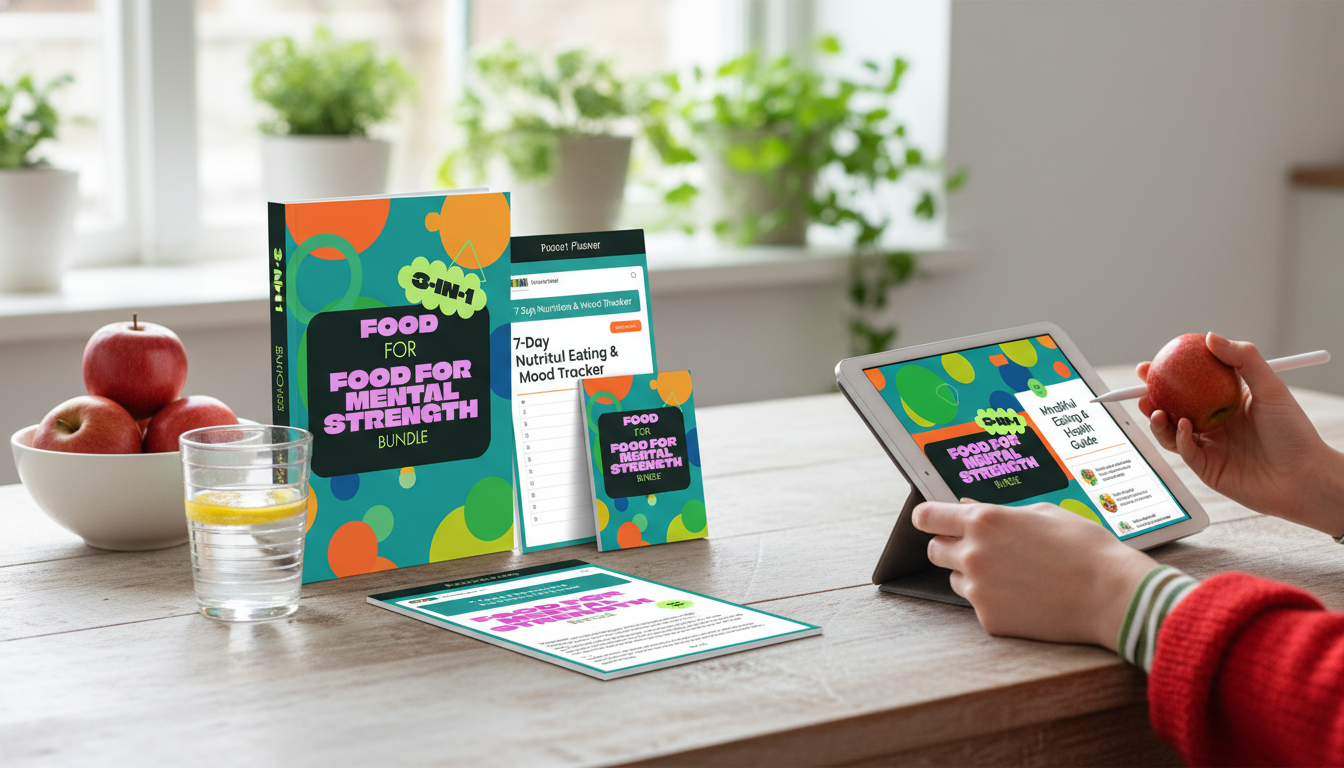
Food for Mental Strength: a practical nutrition toolkit that’s easy to repeat
Mental strength is built from small, repeatable habits that protect your energy, mood, and focus—especially on days when motivation is low. Nutrition supports that process in a practical way: steady fuel helps the brain run more predictably, adequate protein supports normal neurotransmitter function, and balanced meals reduce the drag of blood-sugar swings and under-fueling.
The challenge is that “eat better” advice is usually too broad to use in real life. A structured toolkit turns general guidance into routines you can repeat: what to buy, how to assemble meals fast, and how to make supportive choices without spending your whole day planning.
What “mental strength” nutrition looks like day to day
Food choices won’t erase stress, but they can reduce unnecessary friction—like energy crashes, cravings that feel urgent, and irritability that shows up when meals are inconsistent. A simple day-to-day approach often includes:
- Steady energy: prioritize meals and snacks that reduce spikes and crashes (protein + fiber + healthy fats).
- Stress resilience: include micronutrient-dense foods that support normal nervous system function (leafy greens, legumes, nuts, seeds).
- Mood support: emphasize omega-3 sources and varied plant foods to support brain health.
- Focus and clarity: avoid long gaps without food if that leads to irritability, headaches, or distraction; consider a consistent meal rhythm.
- Sustainability: the best plan is one that can be repeated on busy days without decision fatigue.
For deeper background on the connection between dietary patterns and mental wellbeing, see Harvard Health Publishing’s overview of nutritional psychiatry: Your brain on food. And because stress can change appetite and energy needs, the American Psychological Association’s stress guide is a helpful companion read.
Quick food building blocks for steadier mood and focus
| Goal | Food building blocks | Easy examples |
|---|---|---|
| More stable energy | Protein + fiber + fat | Greek yogurt + berries + chia; hummus + whole-grain pita; eggs + sautéed spinach |
| Calmer baseline | Magnesium- and folate-rich foods | Pumpkin seeds; black beans; lentil soup; spinach salad |
| Brain structure support | Omega-3 sources | Salmon; sardines; ground flax/chia in oatmeal; walnuts |
| Better gut-brain support | Fermented + prebiotic fibers | Kefir or yogurt; kimchi; oats; bananas; onions; garlic |
| Fewer cravings | Balanced snacks + hydration | Apple + peanut butter; trail mix with nuts; sparkling water with citrus |
If you’re considering omega-3 supplements (instead of food sources), the NIH NCCIH overview is a sensible starting point: Omega-3 Supplements: What You Need To Know.
Inside the 3-in-1 toolkit bundle
The Food for Mental Strength Toolkit: 3-in-1 Bundle for Diet & Mental Health is designed for real schedules—when you need supportive food choices without turning your life into a cooking project. It focuses on repeatable actions rather than “perfect” eating.
- A structured approach that turns nutrition principles into weekly actions you can actually repeat.
- Done-for-you frameworks to reduce overwhelm: meal templates, swap lists, and simple rules for balanced plates.
- A step-by-step way to identify personal triggers (skipping breakfast, too much caffeine, low-protein meals) and replace them with more supportive options.
- Tools designed to fit different lifestyles: busy professionals, students, caregivers, and anyone rebuilding routines after a rough patch.
- A single bundle format that keeps guidance centralized instead of scattered across apps, bookmarks, and notes.
Who benefits most from a structured diet-and-mental-health routine
- People who feel emotionally “fragile” when meals are inconsistent or low in protein/fiber.
- Anyone dealing with afternoon crashes, late-day irritability, or frequent snacking that doesn’t satisfy.
- Those who want a clearer plan for grocery shopping and meal assembly rather than complex recipes.
- Individuals who prefer a toolkit-style system over tracking-heavy apps.
- Anyone working on habit-building alongside professional mental health support.
For a broader mindset routine you can pair with nutrition habits, consider audio-based reinforcement like Daily Affirmations for Abundant Wealth | Audio Course (useful for consistency and daily structure) or confidence-focused practice like Build Unshakable Confidence for Dating in 5 Days (helpful if social stress disrupts appetite and routines).
How to use the bundle in a simple 7-day rhythm
A common mistake is trying to change everything at once. A steadier approach is to build anchors—small “automatic” meals and snacks that protect energy first, then layer in variety.
Common obstacles and practical fixes
Safety notes and when to get extra support
Bundle details and what to expect after purchase
If your next step is a clear, repeatable plan, start here: Food for Mental Strength Toolkit: 3-in-1 Bundle for Diet & Mental Health.
FAQ
Can food really influence mood and mental strength?
Food can influence day-to-day mood and resilience by supporting steadier blood sugar, adequate protein intake, omega-3 fats, and key micronutrients that help the brain function normally. Results are often subtle but meaningful over time, and nutrition works best as a complement to (not a replacement for) professional mental health care when needed.
Is this bundle suitable for beginners who don’t cook much?
Yes. The approach favors low-cook, assembly-style meals, grocery shortcuts, and simple templates for balanced plates instead of complicated recipes or hours of prep.
How long does it take to notice a difference?
Some people notice changes in energy and cravings within a few days, while mood and focus improvements commonly take a few weeks of consistency. Tracking a simple pattern—meal timing, protein at breakfast, hydration, and afternoon energy—can help you see what’s changing.












Leave a comment