At-Home Dog Grooming Routine: Checklist, Tools & Tips
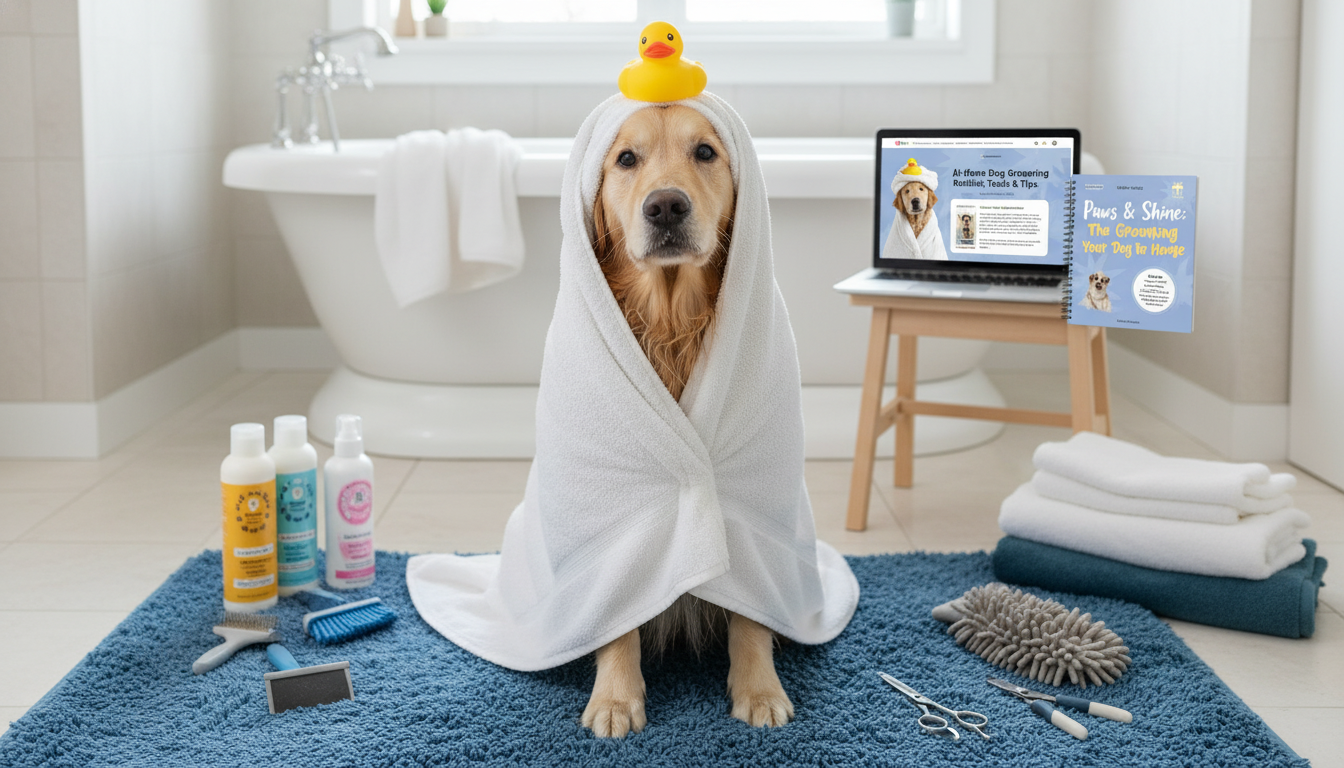
Paws & Shine: A Smart At-Home Dog Grooming Routine with Checklist-Ready Steps
A calm, repeatable grooming routine keeps coats healthy, reduces shedding and matting, and helps spot early skin or paw issues. The easiest way to stay consistent is to break grooming into short, predictable sessions—prep, bathing, drying, brushing, nails, ears, teeth, and finishing touches—then follow the same order every time. That rhythm matters, especially for dogs who need extra patience.
Set Up a Low-Stress Grooming Space
Start by making grooming feel safe and familiar. Use a non-slip surface (a bath mat in the tub, a rubber mat on a sturdy table, or a towel on the floor for small dogs). Gather everything before you begin—brush, comb, towels, dog shampoo, treats, cotton balls, and a nail trimmer or grinder—so you’re not stepping away mid-session.
Keep early sessions short (5–10 minutes) and increase duration gradually as your dog relaxes. A consistent cue helps: same location, same step order, same reward at the end. For safety, never leave a dog unattended on an elevated surface, keep water lukewarm, and avoid getting water into the ears.
At-Home Grooming Toolkit by Coat Type
| Coat type | Core tools | Nice-to-have add-ons | Common pitfalls to avoid |
|---|---|---|---|
| Short coat | Rubber curry brush, soft bristle brush | Deshedding tool (as needed) | Over-brushing irritated areas; using harsh deshedding tools too often |
| Double coat | Slicker brush, undercoat rake, metal comb | High-velocity dryer (pet-safe) | Shaving the coat; skipping thorough drying leading to hot spots |
| Long/silky | Pin brush, slicker brush, metal comb | Detangling spray | Pulling through mats; bathing before removing tangles |
| Curly/wool | Slicker brush, metal comb | Clippers with guard combs (skill-dependent) | Letting mats tighten; brushing only the top layer without line-brushing |
| Wire coat | Slicker brush, comb | Stripping knife (trained use) | Improper stripping; neglecting beard/leg tangles |
Pre-Groom Check: Skin, Coat, Paws, and Comfort
Before water or tools come out, do a quick hands-on scan. Run your hands over the body to check for lumps, tenderness, scabs, ticks, fleas, or unusual odor. Look between toes and around paw pads for debris, cracks, redness, or foxtails; if your dog tolerates it, trim only the fur that traps dirt.
Catch mats early in high-friction zones: behind the ears, under the collar, armpits, belly, and rear. If you see severe matting, skin sores, or intense itching, pause home grooming plans and consult a veterinarian or a professional groomer.
Brushing That Actually Removes Tangles (Without a Battle)
Brush before bathing—water tightens mats and makes knots harder to remove safely. For medium and long coats, line brushing works best: lift a small section, brush from the skin outward, then follow with a metal comb to confirm there are no snags.
To reduce discomfort, hold the hair at the base near the skin while you work through tangles. For small mats, use a detangling spray, tease the edges with a comb, and stop if the skin is being tugged. Avoid using scissors near the skin; skin can fold into mats and cut easily.
Bath Time: Shampoo Choice, Technique, and Rinse Discipline
Use a dog-specific shampoo. Human products can disrupt skin pH and increase dryness or itchiness. Protect ears by placing cotton balls gently at the entrance (never pushed down into the canal), and remove them immediately after the bath.
Wet thoroughly to the skin—dense coats can stay dry underneath. Lather from the neck down, and use a damp cloth for the face with a tiny amount of diluted shampoo if needed. Then rinse longer than you think you must; leftover shampoo is a top cause of post-bath itching and flaking. Conditioner can help reduce static and matting for long, curly, or double coats—just rinse fully.
For additional grooming guidance from trusted organizations, see the American Kennel Club’s dog grooming tips and general pet care recommendations from the American Veterinary Medical Association.
Drying and After-Bath Brushing
Towel blot first. Aggressive rubbing can create tangles, especially in long or curly coats. Air-drying can be risky for dense coats because moisture may stay trapped near the skin, contributing to odor and irritation.
Nail Trimming Without Panic
Ears, Teeth, Eyes, and Wrinkles: Small Steps that Prevent Big Problems
A Simple Grooming Schedule Pet Parents Can Maintain
A Ready-Made Routine and Checklist for Consistent Results
If a step-by-step plan helps you stay on track, a structured checklist can keep sessions short and prevent missed details. Paws & Shine: The Smart Guide to Grooming Your Dog at Home – eBook & checklist is organized around a practical order—prep, brush, bathe, dry, nails, ears, teeth, and finishing checks—so your dog learns what comes next.
For pet parents who want to stay calm and consistent during training-style routines, Daily Affirmations for Abundant Wealth | Audio Course can be used as a short, steady listening habit while you do low-stress grooming sessions and cooperative-care practice.
When to Call a Professional or a Veterinarian
FAQ
How often should a dog be bathed at home?
Many dogs do well with baths every 4–8 weeks, but the best schedule depends on coat type, skin sensitivity, lifestyle, and veterinary advice. Using dog-specific shampoo and rinsing extremely well helps prevent post-bath itchiness.
Is it safe to trim mats at home?
Small tangles can often be worked out with careful brushing, a comb, and detangler. Tight mats close to the skin are risky to cut—especially with scissors—so severe matting is safer with a professional groomer.
What should be cleaned first: ears or bath?
Do a quick ear check before bathing, then focus on keeping water out of the ears during the bath. If cleaning is needed, do it after the bath and watch for odor, redness, discharge, or pain that warrants veterinary evaluation.












Leave a comment