Turn Workouts Into a Hobby: Fun Routines That Stick
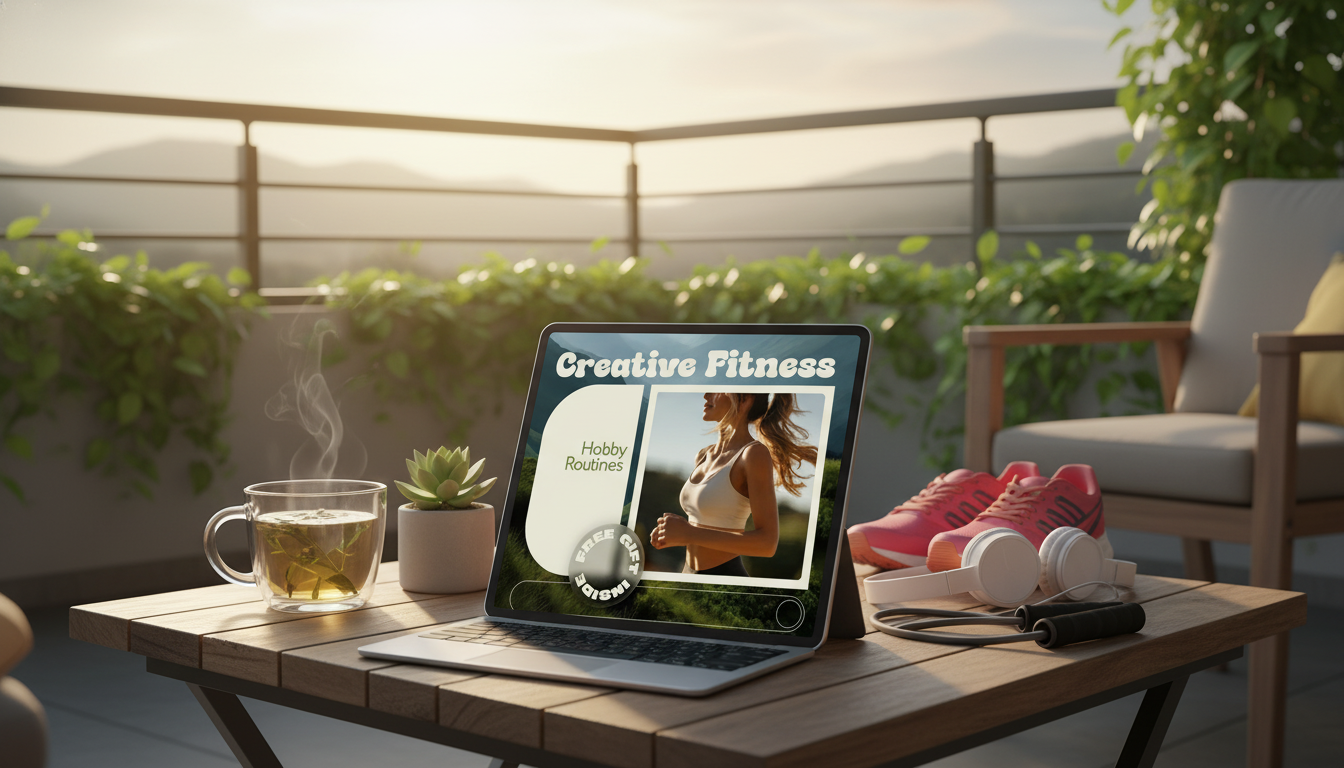
Creative Fitness Hobby Routines: A Fun Path to Sustainable Workout Habits
Motivation lasts longer when movement feels like a hobby instead of a chore. A creative routine blends play, skill-building, and variety so workouts become something to look forward to—without losing the structure needed for progress. Below are practical ways to turn fitness into a motivating lifestyle with repeatable routines, simple habit systems, and ideas that work at home, outdoors, or at the gym.
Why “Fitness as a Hobby” Sticks
Hobby-style training shifts the goal from “complete a workout” to “practice a skill.” That subtle change makes consistency feel more natural—especially on days when energy is low. Instead of judging a session by how intense it was, you measure it by whether you showed up and got a little better.
Variety also helps. When sessions rotate through themes (balance, endurance, strength, mobility), boredom drops while progress remains measurable. Over time, the hobby becomes part of identity: being “a dancer,” “a hiker,” or “a jump-rope learner” nudges follow-through even when willpower is scarce.
Finally, short sessions lower friction. Ten enjoyable minutes can turn into meaningful weekly volume when repeated often. For reference on baseline movement targets, the CDC’s adult activity guidelines provide a simple framework for aerobic and strength work, and the WHO physical activity facts reinforce how even modest consistency supports long-term health.
Pick a Hobby Theme That Matches Your Personality
Choosing a theme isn’t about finding the “best” workout. It’s about finding the type of movement you’ll repeat without negotiation. Use these ideas as a menu:
- Music-driven: dance fitness, rhythm step drills, jump rope flow, shadowboxing to playlists.
- Nature-driven: hiking loops, outdoor stair sessions, rucking, trail walk + mobility circuits.
- Skill-driven: calisthenics basics, handstand practice, kettlebell technique, yoga progressions.
- Social-driven: partner workouts, recreational leagues, walking clubs, class-based training.
- Curious learner: rotate “mini-seasons” (2–4 weeks) to explore new skills without overwhelm.
Hobby themes and what they train
| Hobby theme | Best for | What to track |
|---|---|---|
| Dance / rhythm training | Cardio + coordination | Songs completed, weekly minutes, perceived effort |
| Hiking / outdoor loops | Endurance + mental reset | Distance, elevation, pace, steps |
| Calisthenics skill practice | Strength + control | Reps/holds, form quality, progressions used |
| Yoga / mobility flow | Recovery + flexibility | Session count, poses held, stiffness ratings |
| Playful conditioning (circuits, games) | General fitness | Rounds, work/rest, total time |
A Simple Framework: Play, Practice, Progress
Creative routines work best with a repeatable structure. This one keeps sessions fun while still moving you forward.
- Play (5–15 minutes): Start with the most enjoyable piece to reduce resistance—your favorite song, a short walk, or a fun drill.
- Practice (10–25 minutes): Choose one skill focus with easy constraints (three moves, three rounds; or a simple 10-minute timer).
- Progress (5–10 minutes): Capture a tiny “win” metric—add one minute, one round, one rep, or slightly cleaner form.
- Reset (2–3 minutes): Finish with breathing or mobility so the next session feels easier to start.
Creative Routine Ideas (No Equipment or Minimal Equipment)
- Playlist Ladder: Each song = one movement pattern (squat, hinge, push, pull, carry). Scale intensity by tempo: slow songs = controlled reps; fast songs = lighter, quicker reps.
- Skill Timer: 10 minutes of one skill (jump rope basics, shadowboxing combos, step patterns) + 10 minutes of an easy walk cooldown.
- Story Circuit: Pick a theme (space mission, treasure hunt) and assign “levels” to exercises. Example: “Level 1” is 30 seconds, “Level 2” is 45 seconds, “Boss level” is 60 seconds.
- Micro-Adventure: Explore a new route for 20–30 minutes; add five “checkpoint” stops for quick mobility (ankles, hips, thoracic spine).
- Movement Menu: Pick 1 from each—mobility, strength, cardio, balance—then repeat the set 2–3 times.
Weekly Templates That Build Sustainable Workout Habits
Templates reduce decision fatigue. Choose one for four weeks, then adjust the theme (not the entire system).
Sample week (mix-and-match)
| Day | Session focus | Example (20–40 min) |
|---|---|---|
| Mon | Skill practice | Jump rope basics + light core |
| Tue | Low-energy recovery | Walk + hip/ankle mobility flow |
| Wed | Strength | Full-body circuit (squat/push/hinge/pull) |
| Thu | Playful cardio | Dance playlist ladder or shadowboxing rounds |
| Fri | Optional skill | Balance + coordination drills, easy pace |
| Sat | Outdoor adventure | Hike/ruck loop + stretch |
| Sun | Rest/reset | Gentle yoga or complete rest |
Motivation Tools That Don’t Rely on Willpower
How to Stay Safe While Exploring New Routines
A Ready-Made Library of Creative Fitness Hobby Routines
For a grab-and-go library you can pull up on your phone before a session, explore Creative Fitness Hobby Routines – Ebook Guide with Ideas for Fitness Hobby Routines, Sustainable Workout Habits, Fun & Motivating Fitness Lifestyle Download. Pairing a simple movement plan with a supportive mindset ritual can also make follow-through easier, such as Daily Affirmations for Abundant Wealth | Audio Course | Money Mindset & Prosperity | Abundance Manifestation for a consistent daily audio cue.
FAQ
How many days per week are enough to build a sustainable fitness routine?
Three to four days per week is enough for many people when sessions are consistent and repeatable. On busy weeks, a 10-minute fallback (walk, mobility, or one skill) keeps the habit intact.
What if motivation drops after a few weeks?
Switch to a new hobby theme using a 2–4 week “mini-season,” keep a minimum-and-bonus structure, and track simple wins like minutes practiced. A small refresh often restores curiosity without restarting from scratch.
Do hobby-style workouts still improve strength and cardio fitness?
Yes—when you add progression in time, reps, pace, or complexity. Fun formats still produce measurable gains if you practice regularly and nudge one variable upward over time.









Leave a comment