Oktoberfest Munich Guide: Tents, Timing & First-Timer Tips
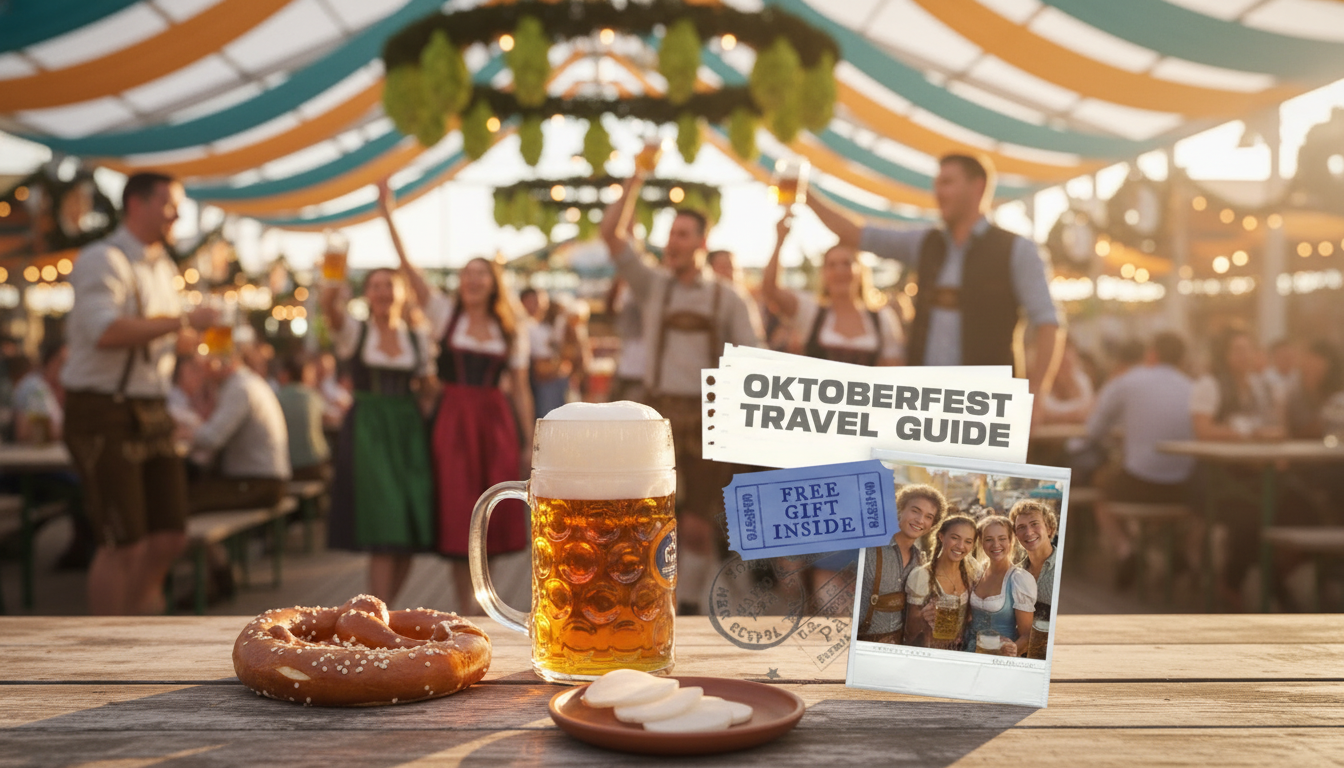
Prost Without Stress: Oktoberfest in Munich Planning Guide for First-Timers
Oktoberfest is easy to love and surprisingly easy to overcomplicate. The fastest way to have a great day is to treat it like a few simple decisions: when to go, how to get in and out smoothly, which tent vibe fits your group, and what to bring so you’re comfortable from the first Maß to the last U-Bahn ride home.
Quick-start plan: the simplest way to do Oktoberfest right
- Choose a weekday for shorter lines and a calmer pace, then arrive in the morning if getting seats is your top goal.
- Pick two priorities (for example: one specific tent + one ride, or live music + a traditional food) and let everything else be optional.
- Carry only essentials: ID, a payment method, phone, small power bank, and a light layer. Large bags slow entry and can be restricted.
- Plan the return trip early: identify the closest U-Bahn/S-Bahn stop to your exit gate and save directions offline before the crowds build.
When to go: best days, best times, and what crowds feel like
Timing is the difference between “walked right in” and “waited outside for an hour.” Munich does an impressive job managing crowds, but tent capacity rules are firm once a tent is full.
- Opening weekend is iconic—but it’s also the most packed. If it’s your first time and you want less friction, mid-week is easier.
- Afternoons are lively and more family-friendly. Evenings skew louder and tend to involve more waiting for entry.
- If your goal is maximum tent time, arrive early. If your goal is peak atmosphere, evenings deliver—but standing and door checks are more common.
- Weather matters: sunny weekends amplify crowds; light rain can thin lines without changing how fun it feels inside the tents.
Getting there and getting around: transit, meeting spots, and safe exits
Public transit is the default for a reason: it’s faster, cheaper, and far less stressful than trying to drive near Theresienwiese. For official transit details and updates, check MVG public transport in Munich.
- Use U-Bahn/S-Bahn and expect a short walk at the end. The grounds are bigger than they look on a map.
- Set a meeting point outside the busiest gates (something obvious and easy to describe) in case phones die or the group splits.
- Wear shoes built for standing and walking on gravel, pavement, and packed pathways.
- Have a late-night plan: know which lines run frequently, where night buses are, and what time you’ll call it if the vibe turns from fun to tiring.
Tents 101: big tents, small tents, vibes, and how seating works
Think of Oktoberfest tents like different venues at the same festival. Big tents bring the classic scale—bands, singing, and high energy. Smaller tents can feel cozier and easier to navigate when you’re learning how things work.
- Big tents: higher energy, louder music, and more door control when they’re full.
- Small tents: often easier to find a comfortable rhythm (and sometimes an earlier meal) without the same intensity.
- Indoor seating fills first. Outdoor beer gardens are a strong backup and can be quicker to access.
- Shared tables are normal. If you get seats, you’re joining the table’s pace: order promptly, tip fairly, and follow the server’s flow.
Fast tent decision guide
| Preference | Best bet | Why it works |
|---|---|---|
| First-timer, want classic atmosphere | Large tent early in the day | Easier to find seats before the peak rush; music and traditions are in full swing |
| Quieter conversations + food focus | Smaller tent or beer garden | Less pressure, more space, and often faster service |
| Big party energy | Large tent later afternoon/evening | Bands and crowd volume ramp up; expect stricter entry when full |
| Mixed group with different stamina levels | Start in beer garden, move inside later | Flexible pacing with a lower-stress starting point |
Reservations and tickets: what’s real, what’s optional, what to avoid
Entry to Oktoberfest is generally free; the real challenge is capacity, not admission. For official guidance on rules, tents, and current updates, use the Oktoberfest Munich official website.
What to wear: dirndl, lederhosen, and practical alternatives
Money, etiquette, and staying comfortable inside the tents
First-timer pitfalls to skip (and what to do instead)
A simple one-day itinerary that stays flexible
A handy planning companion for tent choices, outfits, and timing
If you prefer a step-by-step checklist you can keep on your phone, Prost Without Stress – Oktoberfest in Munich Planning Guide | Ultimate Oktoberfest Travel Guide, Tents, Tickets, What to Wear & First-Timer Tips pulls tent notes, timing windows, and common first-timer mistakes into one place—so you spend less time guessing and more time enjoying Munich.
- Prompt Like a Pro, See Like a Visionary – Midjourney Prompt Guide for Creators | Learn how to write a good midjourney prompt
- Build Unshakable Confidence for Dating in 5 Days | Audio Program | Digital Download | Dating Confidence Training | Body Language & Conversation Skills
FAQ
Do you need tickets to enter Oktoberfest in Munich?
No—entry to Oktoberfest is typically free. You pay for food and beer in the tents, rides on the grounds, and optional table reservations that may include voucher packages.
What should a first-timer wear to Oktoberfest?
Dirndl and lederhosen are optional, not required. Prioritize comfortable shoes, layers for changing temperatures, and weather-ready outerwear so you can stand and walk for hours without hassle.
What time should you arrive to get a seat in a tent?
Mornings and early afternoons are the most reliable for finding seats, especially on weekends when tents fill faster. If a tent is at capacity, try a beer garden or a smaller tent and re-check later.








Leave a comment