Fitness in Your 30s: Simple Routine to Stay Consistent

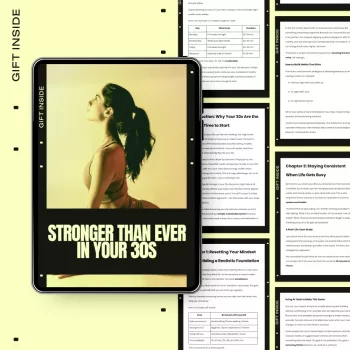
Stronger Than Ever in Your 30s: A Practical Way to Start Fitness, Stay Consistent, and Make It Fit Real Life
Starting (or restarting) fitness in your 30s often means working around work deadlines, family schedules, lower tolerance for “all-or-nothing,” and a body that demands smarter recovery. The good news: progress can be faster and more sustainable with a simple routine built on small wins, realistic time blocks, and a plan that adapts to busy weeks without falling apart.
Why fitness feels different in your 30s (and why that’s an advantage)
- Recovery matters more: better warm-ups, fewer “max effort” days, and consistent sleep pay off quickly.
- Time is tighter: short, repeatable sessions outperform ambitious plans that rarely happen.
- Motivation is unreliable: systems (calendar blocks, cues, and defaults) beat willpower.
- Strength training becomes a multiplier: posture, joint support, daily energy, and metabolism benefit even with 2–3 weekly sessions.
If you want a reference point for weekly activity targets, the Physical Activity Guidelines for Americans and the CDC adult activity recommendations line up with what works in real life: move often, lift regularly, and build gradually.
Set a “minimum effective routine” that survives real life
The easiest routine to follow is the one that still works when the week goes sideways. Start with a baseline you can complete on a bad week, then earn the right to add more later.
- Pick a baseline: two 20–30 minute strength sessions plus two 20-minute walks.
- Use a simple weekly template: same days, same time window, same workout structure.
- Define a fallback plan: if a workout is missed, swap to a 10-minute version instead of skipping entirely.
- Track only essentials: completed sessions, steps/walks, and sleep hours (optional).
Minimum effective weekly routine options
| Goal | Baseline Plan | Busy-Week Fallback | Notes |
|---|---|---|---|
| General health | 2 strength + 2 walks | 2 x 10-min strength + 2 short walks | Consistency first; intensity can rise later |
| Fat loss | 3 strength + 2 walks | 2 strength + daily 10-min walk | Protein and sleep amplify results |
| More energy | 2 strength + 3 walks | 2 walks + mobility 10 min | Avoid overtraining; build gradually |
| Stress relief | 2 strength + 2 easy cardio | Daily 10-min walk outside | Keep sessions moderate, not punishing |
Build consistency with friction-proof habits
- Choose a trigger: pair workouts with an existing routine (after school drop-off, lunch break, after morning coffee).
- Lower setup time: keep shoes, bands, and headphones in one place; pre-load a short workout playlist.
- Make it easy to start: commit to the “first 5 minutes” and let it count even if it stays short.
- Never miss twice: if a day is lost, the next day defaults to a short session.
- Reward completion: a simple checkmark on the calendar is the win.
Consistency is a design problem more than a personality problem. Build a routine that asks less of your willpower and more of your calendar defaults.
A simple strength framework (no guesswork)
For most people in their 30s, full-body training 2–3 days per week is the sweet spot: enough to make progress, not so much that you’re constantly trying to recover.
- Repeat the same movement patterns: squat/lunge, hinge, push, pull, carry/core.
- Start light and progress slowly: add reps first, then load, then sets—one change at a time.
- Leave 1–3 reps in the tank most days: go hard sometimes, not always.
- Use time-efficient formats: 2–3 supersets plus a short finisher is enough.
- If joints complain: adjust range of motion, tempo, or exercise variation before increasing intensity.
Cardio that supports goals without draining you
- Favor easy cardio most weeks: brisk walking, cycling, incline treadmill, or steady rowing.
- Add one optional “spice” session: short intervals once weekly if recovery and sleep are stable.
- Use walking as a default: a 10–20 minute walk after meals supports energy, mood, and follow-through.
- If fatigue spikes: reduce intensity before reducing frequency—keep the habit alive.
Nutrition basics that don’t require a complicated diet
- Protein anchor: include a protein source at each meal to support muscle and satiety.
- Default plate: protein + produce + high-fiber carbs + healthy fats (portion based on goals).
- Hydration and fiber: consistent water intake and regular vegetables/fruit reduce cravings for many people.
- Plan for real life: pick 2–3 go-to breakfasts and lunches you can repeat without thinking.
- 80/20 works: steady effort over time beats strict rules that collapse under stress.
Recovery, sleep, and stress: the hidden consistency tools
A 4-week ramp-up plan to make the routine stick
A practical guide to keep you moving on autopilot
- Stronger Than Ever in Your 30s – A Practical Guide on How to Start Fitness in Your 30s, Build Consistency & Create a Routine That Fits Real Life
- Daily Affirmations for Abundant Wealth | Audio Course | Money Mindset & Prosperity | Abundance Manifestation (a simple option for building a consistent mindset ritual alongside your training)
FAQ
How many days per week should someone in their 30s work out to see results?
A reliable starting point is 2–3 days of strength training plus 2–3 days of low-intensity cardio or walks. Start with the smallest schedule you can sustain and build from there as recovery and consistency improve.
What’s the best workout if there’s only 20 minutes?
Do a full-body session with two supersets (hinge + push, squat + pull) and finish with a short carry or core move. Keep the warm-up brief and stop most sets with a couple reps in reserve so you can recover and repeat it.
How long does it take to build a consistent fitness routine?
Most people feel noticeably more consistent within 4–8 weeks when they use the same days/times, keep a fallback workout, and track completions instead of chasing perfection. The routine “sticks” faster when your plan is simple enough to repeat during busy weeks.











Leave a comment